Understand why voice therapy is beneficial for achieving balanced vocal habits.
Voice Treatment Explained: A Comprehensive Overview to Improving Your Vocal Health And Wellness
Voice treatment is an organized technique targeted at enhancing vocal feature and dealing with disorders such as hoarseness. It includes tailored exercises and expert evaluations to identify specific singing difficulties. By comprehending the importance of singing health and wellness, people can take aggressive actions. Many stay uninformed of the nuances included in reliable voice treatment. What are the vital strategies that can absolutely make a difference? Exploring this may reveal the solutions.
Recognizing Voice Therapy: What It Is and Why It Issues
Voice treatment, although commonly neglected, plays a crucial duty in rehab for people experiencing voice disorders. This restorative technique concentrates on improving singing feature through customized exercises and techniques created to enhance voice top quality, toughness, and endurance. By examining the unique requirements of each person, voice therapists create customized strategies that resolve particular obstacles, such as hoarseness, singing tiredness, or pitch concerns. Strategies commonly consist of breath control, resonance training, and stance improvement, all targeted at cultivating healthy vocal practices. Additionally, voice treatment highlights the value of vocal health, teaching people how to preserve their vocal health and wellness in daily scenarios. Inevitably, this specialized therapy not only help in recovery but also equips individuals to gain back confidence in their interaction capacities.
Usual Vocal Health Issues: Recognizing the Signs
While several people may not immediately acknowledge the signs of singing health issues, understanding these signs and symptoms is essential for very early intervention. Usual vocal health and wellness issues include hoarseness, which can show stress or overuse, and a relentless coughing that might suggest inflammation. Other signs consist of a completely dry throat, problem in pitch control, and singing exhaustion after talking or singing. People might likewise experience an experience of a lump in the throat or modifications in singing high quality such as breathiness, fracturing, or a decreased variety. Recognizing these signs and symptoms early can help protect against even more problems and keep vocal wellness. Awareness and attention to singing modifications are important for any individual that depends on their voice skillfully or directly.
The Significance of Specialist Evaluation in Voice Therapy
Expert analysis is vital in voice treatment as it allows the recognition of certain singing issues that may be affecting an individual's ability to connect efficiently. Via thorough evaluation, specialists can establish customized therapy strategies tailored to deal with the one-of-a-kind demands of each client. This targeted method not only improves the effectiveness of therapy but likewise advertises long-lasting singing health and wellness.
Determining Vocal Problems
Exactly how can one precisely determine vocal problems that may be affecting communication and general lifestyle? Professional evaluation is vital in recognizing these challenges. A trained voice specialist or speech-language pathologist can perform a detailed assessment, which frequently consists of auditory affective assessment, clinical monitorings, and crucial analysis. These evaluations intend to analyze vocal top quality, volume, pitch, and resonance. By comprehending the individual's background and experiences, experts can identify particular vocal worries, such as breathiness, hoarseness, or stress. In addition, recognizing underlying medical conditions, such as polyps or blemishes, is essential. This thorough evaluation not only aids in recognizing the nature of the vocal problems however likewise sets the structure for reliable voice therapy interventions to boost vocal health and communication efficiency.
Individualized Therapy Plans
After recognizing singing concerns, the following action involves producing customized treatment plans customized to the person's details requirements. These plans are crucial, as they include a detailed analysis carried out by a professional voice specialist. This analysis reviews not only the vocal pathology yet also the person's singing routines, way of living, and goals. By recognizing the distinct aspects impacting each individual, specialists can develop targeted methods that may include exercises, vocal hygiene education and learning, and way of living alterations. Regular follow-ups and adjustments to the therapy strategy are essential for guaranteeing performance and advertising progression. Inevitably, tailored therapy strategies promote an all natural technique to voice treatment, improving vocal health and wellness and empowering individuals to achieve their singing capacity.
Key Techniques and Workouts for Vocal Enhancement
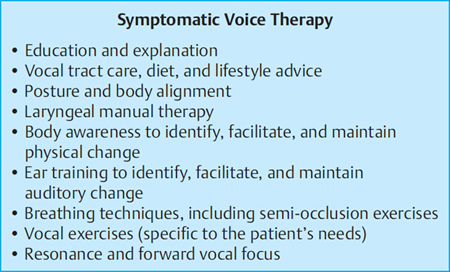
Releasing the capacity of one's voice involves a selection of crucial techniques and workouts created to boost singing high quality and endurance. Taking a breath workouts, such as diaphragmatic breathing, promote far better assistance and control. Vocal warm-ups, consisting of lip trills and humming, prepare the voice for talking or vocal singing by minimizing tension. Furthermore, pitch slides assistance to boost array and versatility. you could look here Vibration exercises, like vowel adjustments, can boost audio estimate and clearness. Routine method of articulation drills guarantees exact pronunciation and diction. Finally, keeping hydration and proper pose plays a vital function in overall singing health. By including these strategies right into a regular, individuals can attain significant enhancements in their singing capabilities and sustain singing health in time.
Daily Habits to Assistance Vocal Health And Wellness
To maintain ideal vocal wellness, people should cultivate daily routines that prioritize their voice's health. Normal singing workouts and cool-downs can significantly improve singing feature, helping to stop stress. It is recommended to decrease extreme talking and avoid speaking in loud settings, as this can bring about vocal fatigue. Exercising proper stance and breath assistance adds to the best vocal manufacturing. Additionally, people need to be mindful of their vocal load, stabilizing talking and relaxing periods throughout the day. Involving in mild whistling or singing can likewise promote singing adaptability. Ultimately, including moments of silence right into day-to-day regimens allows the voice to recover, cultivating long-lasting vocal health and strength.
The Role of Hydration and Nourishment in Voice Care
Singing health extends beyond day-to-day practices to incorporate hydration and nutrition, both of which play an important duty in preserving a strong voice. Appropriate hydration warranties that the vocal cables remain moisturized, minimizing rubbing throughout phonation and preventing pressure or damages. Water is one of the most reliable choice for hydration, while drinks high in high levels of caffeine or alcohol can lead to dehydration, negatively influencing vocal high quality.
Nourishment additionally adds considerably, as a balanced diet rich in minerals and vitamins sustains overall wellness, including singing function. Foods high in antioxidants, such as veggies and fruits, help in reducing inflammation (voice therapy). In addition, appropriate healthy protein intake supports muscle repair work and recuperation. With each other, proper hydration and nourishment form the foundation for peak singing efficiency and durability
When to Seek Professional Assistance for Your Voice
Recognizing when to look for specialist assistance for voice concerns is important for lasting singing wellness. Consistent hoarseness lasting longer than 2 weeks and symptoms of singing exhaustion can suggest underlying issues that call for attention. Recognizing these signs early can result in extra reliable therapy and healing.

Persistent Hoarseness Duration
Just how long is also long when it pertains to consistent hoarseness? Generally, hoarseness lasting more than 2 weeks warrants professional analysis. This period shows a prospective underlying issue that might need clinical interest. People need to be particularly this post mindful if they experience added signs, such as pain while talking, trouble swallowing, or if the hoarseness adheres to a long term duration of singing strain. Early intervention can avoid much more major conditions and aid in efficient therapy. Health professionals, including otolaryngologists and speech-language pathologists, can examine vocal high quality and figure out the reason of hoarseness. By looking for assistance promptly, individuals can take positive steps towards recovering their singing health and guaranteeing their voice continues to be a trusted device for interaction.
Singing Exhaustion Effects
Persistent hoarseness can frequently result in issues regarding vocal health and wellness, specifically when individuals experience signs of singing exhaustion. Typical signs of singing tiredness consist of a scratchy or completely dry throat, a decreased vocal array, difficulty projecting the voice, and increased effort required to speak. Individuals might additionally see that their voice tires promptly during extended use, bring about pain or pain. These symptoms can significantly impact daily communication and general lifestyle. It is necessary to acknowledge when these indicators linger past a few days, as this may indicate a hidden issue needing professional examination. Looking for aid from a voice therapist or ENT expert can provide advice and tailored interventions to bring back vocal health and wellness and stop more difficulties.
Frequently Asked Concerns
For How Long Does Voice Therapy Commonly Require To Program Outcomes?
Arise from voice therapy typically arise within a few weeks to several months, depending upon the person's certain demands, commitment to exercise, and the intricacy of their vocal challenges. Consistent initiative is essential for renovation.
Can Voice Treatment Assist With Accents or Dialects?
Voice therapy can aid people in customizing accents or languages - voice therapy. By focusing on speech, intonation, and enunciation patterns, therapists can assist customers achieve clearer communication and possibly reduce solid local speech attributes
Is Voice Therapy Suitable for Kid and Adolescents?
Voice therapy appropriates for youngsters and adolescents, resolving various singing issues. Tailored methods can enhance vocal wellness and interaction skills, cultivating confidence and quality in expression while accommodating the special requirements of more youthful people.
What Should I Expect During a Voice Treatment Session?
Throughout a voice therapy session, people can anticipate tailored assessments, singing workouts, feedback on strategies, and approaches to enhance singing health and wellness. voice therapy. The therapist will certainly guide them through activities customized to their certain requirements and goals
Exist Any Type Of Risks Linked With Voice Therapy?
Voice therapy generally brings very little dangers, however prospective concerns might consist of singing pressure if workouts are done incorrectly or emotional pain during self-exploration. A read this post here qualified therapist can help alleviate these risks and ensure a secure procedure.
Additionally, voice therapy stresses the importance of vocal hygiene, mentor individuals just how to preserve their vocal health in daily circumstances. Routine singing workouts and cool-downs can substantially improve singing function, helping to stop strain. Persistent hoarseness can often lead to problems concerning singing health and wellness, especially when people experience signs and symptoms of singing tiredness. Usual indications of vocal exhaustion include a scratchy or completely dry throat, a lowered singing variety, difficulty projecting the voice, and increased initiative required to talk. During a voice treatment session, people can anticipate tailored assessments, singing workouts, feedback on techniques, and approaches to enhance singing health.